Blog

Can CBD Replace Xanax for Anxiety? [How They Compare]
Can CBD Replace Xanax for Anxiety? [How They Compare]

If you’ve been using Xanax (alprazolam) for anxiety and want to get off it and switch to something else, hemp-derived cannabidiol (CBD) is likely an option you’ve considered. 

The question is, does CBD work for anxiety? And is it a viable alternative for those who have been using Xanax for anxiety?

At Natural Ways CBD, we’ve helped thousands of people find natural alternatives to prescriptions they’re taking for anxiety, pain, sleep, and other things.

We can say firsthand that CBD may be a viable alternative to Xanax in some scenarios – but it really depends.

In this article, we break down how CBD and Xanax compare, when each is typically used, and what to know about taking them together.

CBD vs. Xanax At a Glance

Feature CBD Xanax
Prescription required No Yes
Strength Mild Strong
Best for Everyday stress, mild anxiety Acute anxiety, panic
Addiction risk Low High
Sedating Usually no Often yes
Long-term use Common Typically discouraged
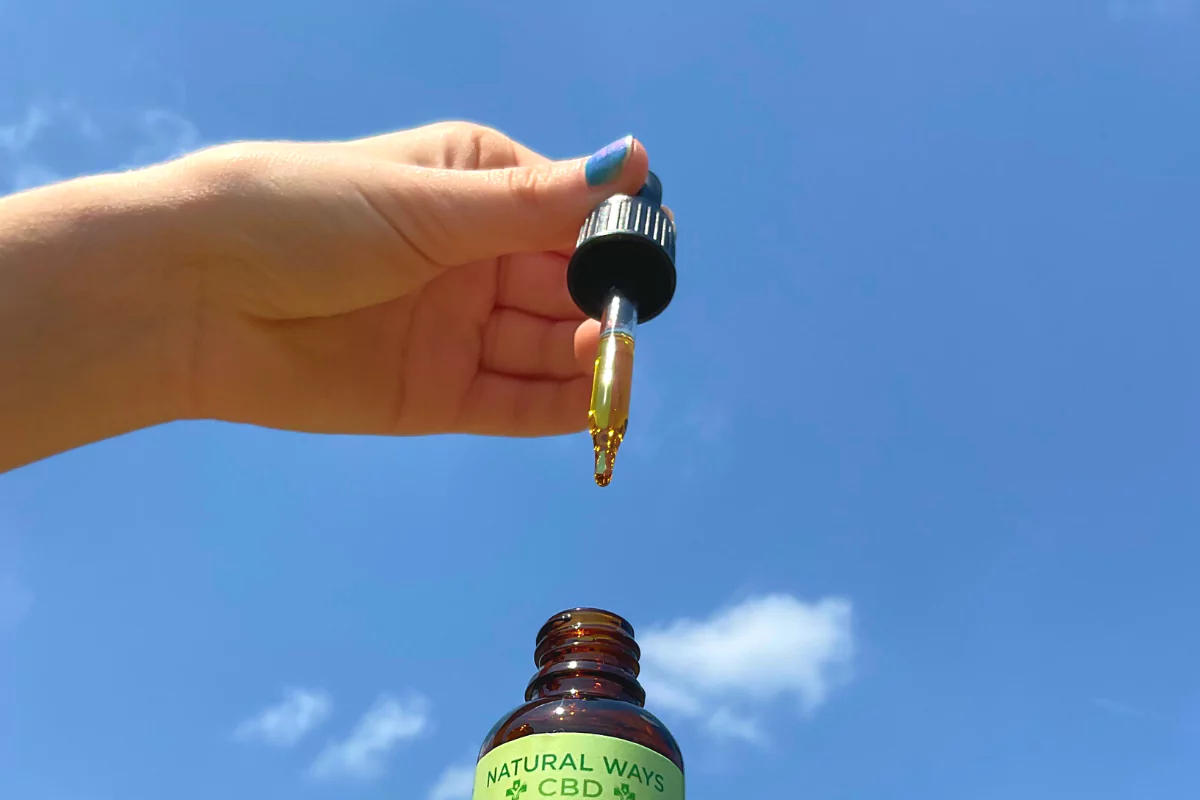
Natural Ways CBD tincture against blue sky background

What is Xanax?

Alprazolam is a medication used to treat anxiety and panic disorders. Xanax is the brand name of the most common alprazolam medication (we’ll use the two interchangeably).

Xanax belongs to a class of drugs known as benzodiazepines (or “benzos”). Benzodiazepines act on the brain and central nervous system to create a calming effect.

Xanax is the most-prescribed psychiatric medication in the United States, with most of these prescriptions being for anxiety and related disorders. 

How Xanax Works for Anxiety

When taken, Xanax increases the levels of Gamma-Aminobutyric Acid (GABA), a neurotransmitter, in your brain.

GABA produces a calming effect by blocking specific signals in your central nervous system and brain. Increased GABA levels are associated with a decrease in feelings of anxiety, stress, and fear.

Xanax, by increasing GABA levels, helps prevent your body from overreacting to stressful situations, thereby preventing anxiety and panic attacks.

What is CBD?

Cannabidiol, or CBD, is a compound that naturally occurs in the hemp plant. It’s one of more than 100 cannabinoids found in hemp, and it has a wide variety of potential therapeutic applications.

Research suggests CBD may help with anxiety, with one study concluding that CBD has major potential as a treatment for many anxiety disorders.

Anecdotally, our customers use CBD for general anxiety, social anxiety disorders, and panic attacks.

How CBD Works for Anxiety

Scientists have several explanations of how CBD may work for anxiety, but what we do know for sure is that CBD interacts with your body’s endocannabinoid system (ECS). 

The ECS is a transmitter system in your body that controls most of your vital functions, including how you feel.

CBD is thought to restore balance to the ECS and help it perform its function, with the idea being that a well-balanced ECS is associated with lower levels of anxiety and other mentally distressing feelings.

Research also suggests that CBD works for anxiety by impacting the transmission of serotonin, which, like GABA, is a neurotransmitter.

Higher serotonin levels are associated with feelings of calm, focus, emotional stability, and happiness.

CBD may cause serotonin to stay in between the nerve endings in your brain for longer than normal, thereby prompting an improvement in the way you feel.

Through a mix of supporting your body’s natural processes and altering neurotransmitter movement in the brain, research suggests CBD may have therapeutic potential for anxiety.

If you’re looking into buying CBD for anxiety, be sure you purchase it from a reputable provider like Natural Ways CBD; otherwise, third-party lab testing results, general quality, and product efficacy may be lacking.
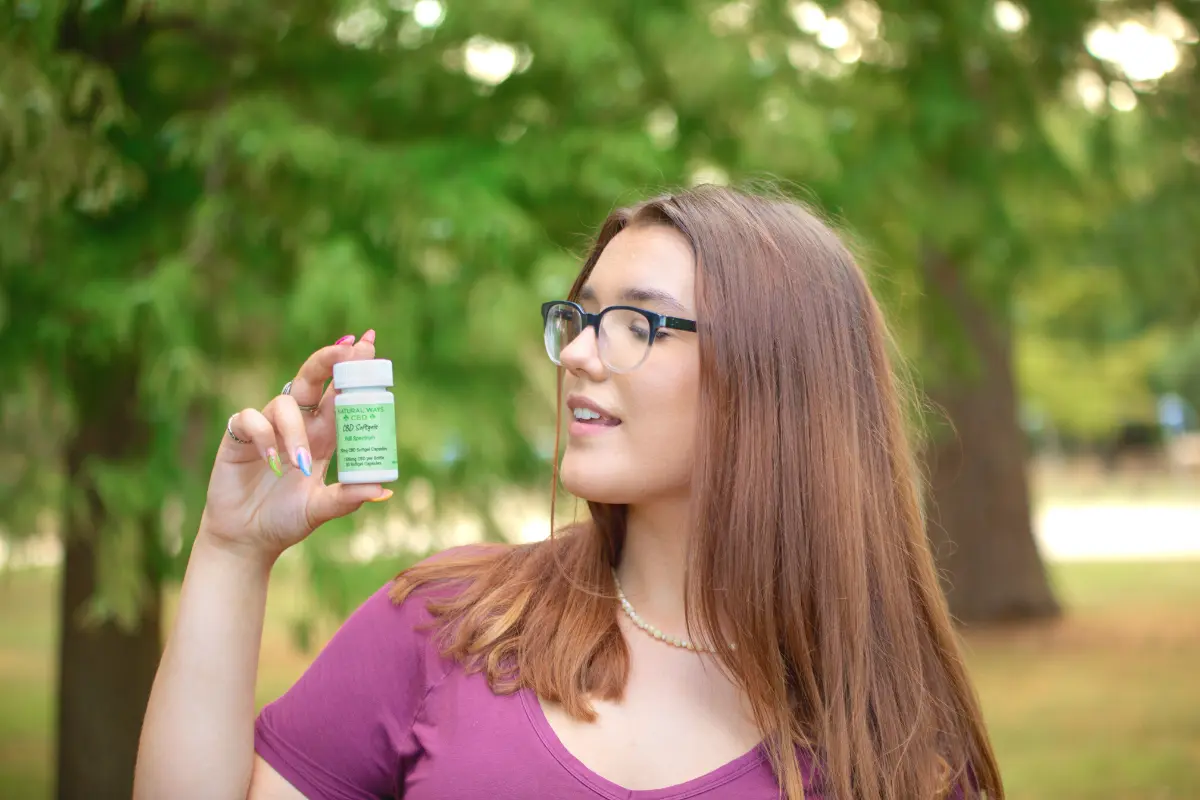
Woman enjoying natural ways CBD softgels

CBD vs. Xanax: How Do They Make You Feel?

Xanax is not psychoactive and does not create a psychoactive effect as, say, delta 9 THC might. Instead, most people who use Xanax report that it has calming, relaxing, and sedating effects. 

CBD, on the other hand, has a calming effect much milder than that of Xanax. In comparison to other cannabinoids, as well as many prescription medications, the effects of CBD are relatively subtle. 

Instead, most people who use CBD for anxiety say that it makes the anxiety feel “less important,” and makes anxious feelings easier to ignore.

While CBD and Xanax both render calming effects, Xanax’s effects are much, much stronger than CBD’s. 

Xanax for Anxiety: Pros, Cons, and When It’s a Good Option

Clearly, Xanax has many potential benefits. But it also has its downsides. Here are the pros and cons of using Xanax for anxiety: 

Pros of Xanax for Anxiety

  • Very powerful: Although Xanax isn’t necessarily psychoactive, it is known to create strongly relaxing, sedating, and calming effects that are effective for reducing feelings of anxiety. 
  • Science-backed: Xanax is backed by many preclinical and clinical studies proving its efficacy at treating anxiety.

Cons of Xanax for Anxiety

  • May be addictive: In the right doses, Xanax may reduce anxiety and improve quality of life. However, it’s also very addictive if used improperly. And if you’re addicted, your tolerance for it will build quickly, to the point you have to take 20-30 pills daily to avoid feeling withdrawal effects.
  • Causes withdrawal side effects: Even if you’re not addicted to Xanax, it may create withdrawal symptoms. According to American Addiction Centers, if patients stop Xanax after just 3 weeks of use, they may feel side effects including (but not limited to) anxiety, panic attacks, hyperventilation, tremors, muscle spasms, sleep problems, and hypersensitivity to light, sound, and touch.
  • Adverse side effects: Just as quitting Xanax may cause negative side effects, so too will using it. Xanax may cause a number of potential adverse effects, including (but again, not limited to) loss of muscle control in the arms and legs (ataxia), cognitive dysfunction, constipation, drowsiness, fatigue, dysarthria (difficulty speaking as a result of speech muscles becoming week), and memory impairment. 
  • Requires a prescription: Unlike with CBD, you typically can’t buy Xanax over-the-counter, and will need a prescription to access it. 

When Xanax Is A Good Option

Because of its powerful effects and wide range of potential adverse effects, the only time when using Xanax is a good option is when it’s been prescribed to you by your doctor.

Xanax is typically prescribed for short-term use to address severe forms of anxiety that can’t be treated with other medicines or supplements. 
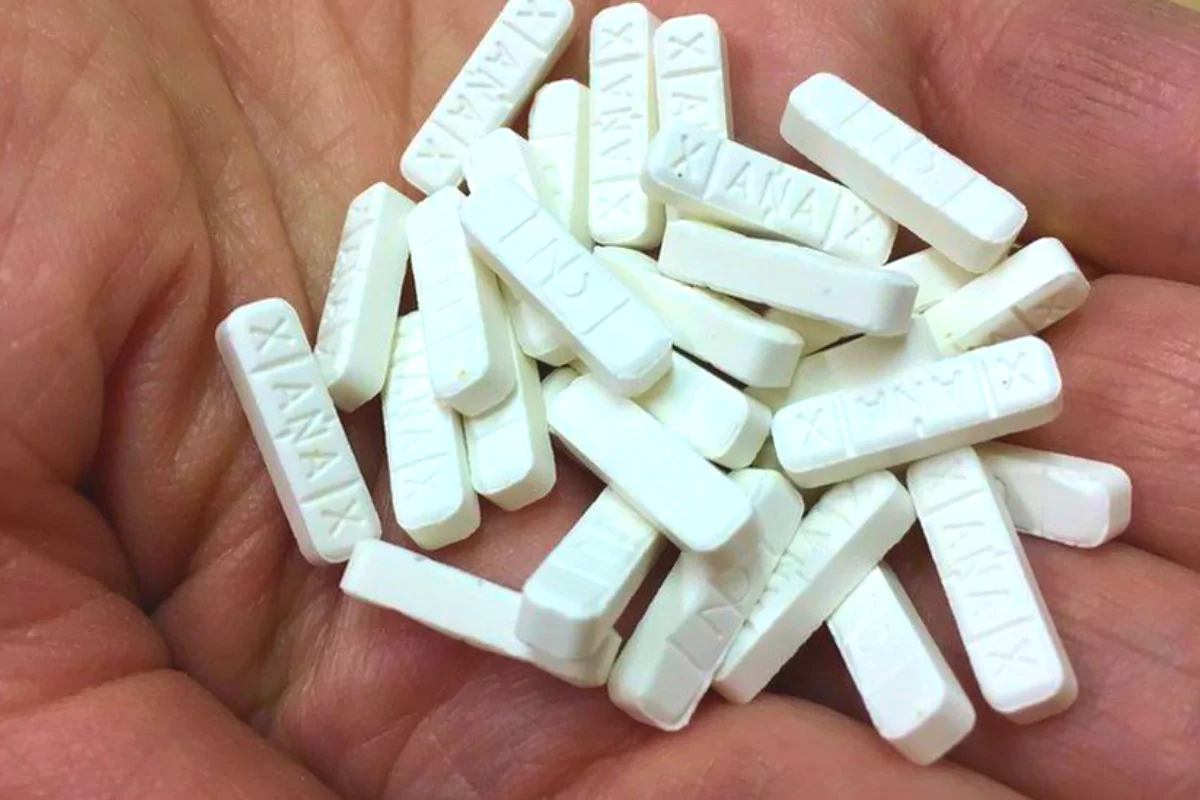
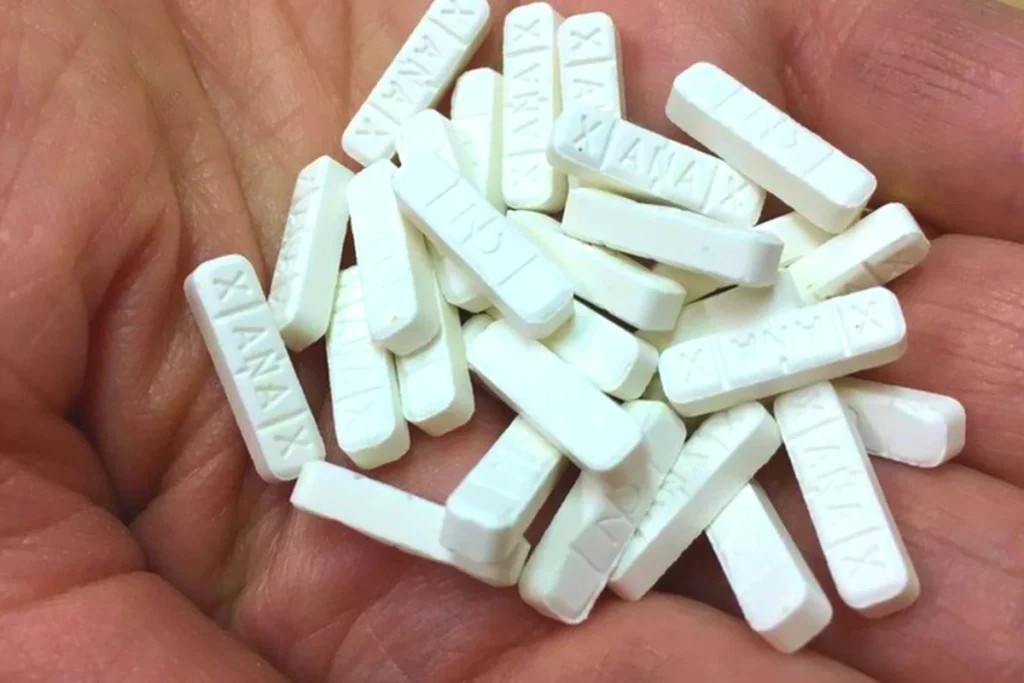
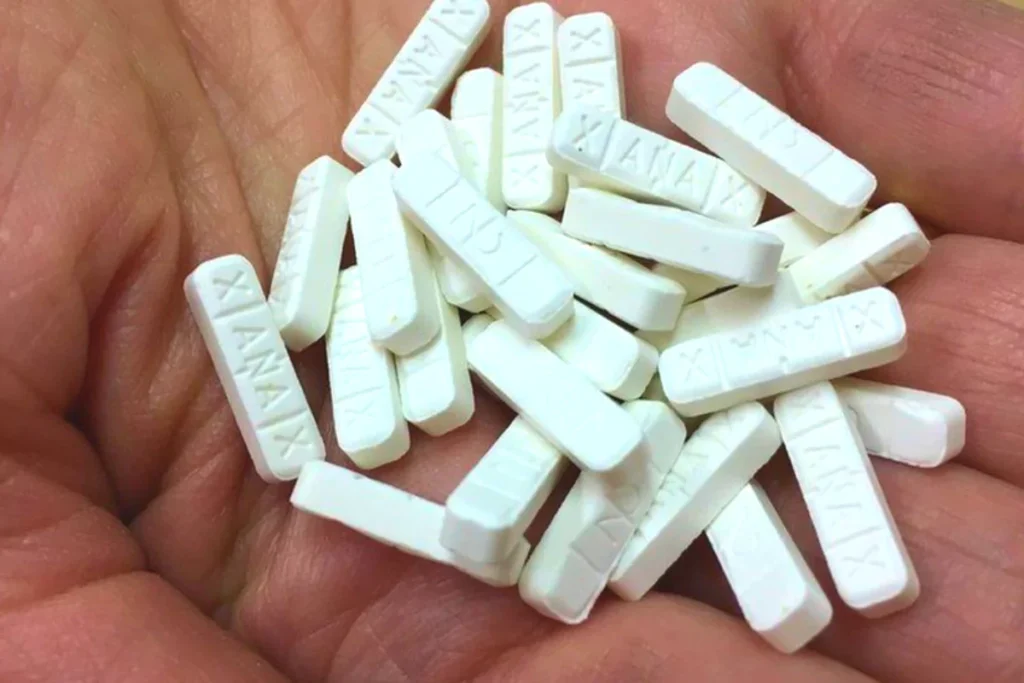
Handful of Xanax pills

CBD for Anxiety: Pros, Cons, and When It’s a Good Option

CBD may have therapeutic potential for anxiety, but it isn’t always a viable replacement for prescription medications. Here are the pros and cons of CBD for anxiety. 

Pros of CBD for Anxiety

  • Research-backed: Multiple studies suggest CBD has potential as an anxiety treatment, and anecdotal evidence suggests it may be very effective at addressing anxiety. However, the amount of research backing the benefits of CBD is less than the amount backing Xanax, so it’s a less proven solution. 
  • Has fewer side effects than many prescriptions: The potential side effects of CBD include dry mouth, drowsiness, diarrhea, reduced appetite, and fatigue. Compared to the side effects of Xanax, these effects are very minimal (and often won’t be felt, assuming you take the right amount). 
  • No prescription is needed: CBD is an over-the-counter natural health supplement, so it’s great if you’re experiencing milder anxiety that you wouldn’t see a doctor for. 
  • Not intoxicating: CBD won’t get you high. It also won’t reduce cognitive functioning and create mental impairment as Xanax can. 

Cons of CBD for Anxiety

  • Poorly regulated: Unlike prescription medications, CBD products aren’t FDA-approved or reviewed through large clinical trials. While many reputable brands produce safe, high-quality CBD, the lack of oversight means quality can vary widely between products.
  • May interact with prescriptions: CBD may affect how your body metabolizes certain medications, including Xanax. As a result, using CBD together with some prescription medications may create side effects such as sleepiness, fatigue, and even falls and accidents while driving, according to Harvard Health. 
  • Not legal in all states: CBD may not be legal in every state in the US, and as a result, you might have trouble legally purchasing and using it. 

When CBD May Be a Good Option

CBD doesn’t render effects as strong as Xanax, so it’s generally best for milder anxiety disorders. It’s also a good option if you’re looking for a sustainable solution against anxiety because it doesn’t have the addiction and general health risks that Xanax poses.  
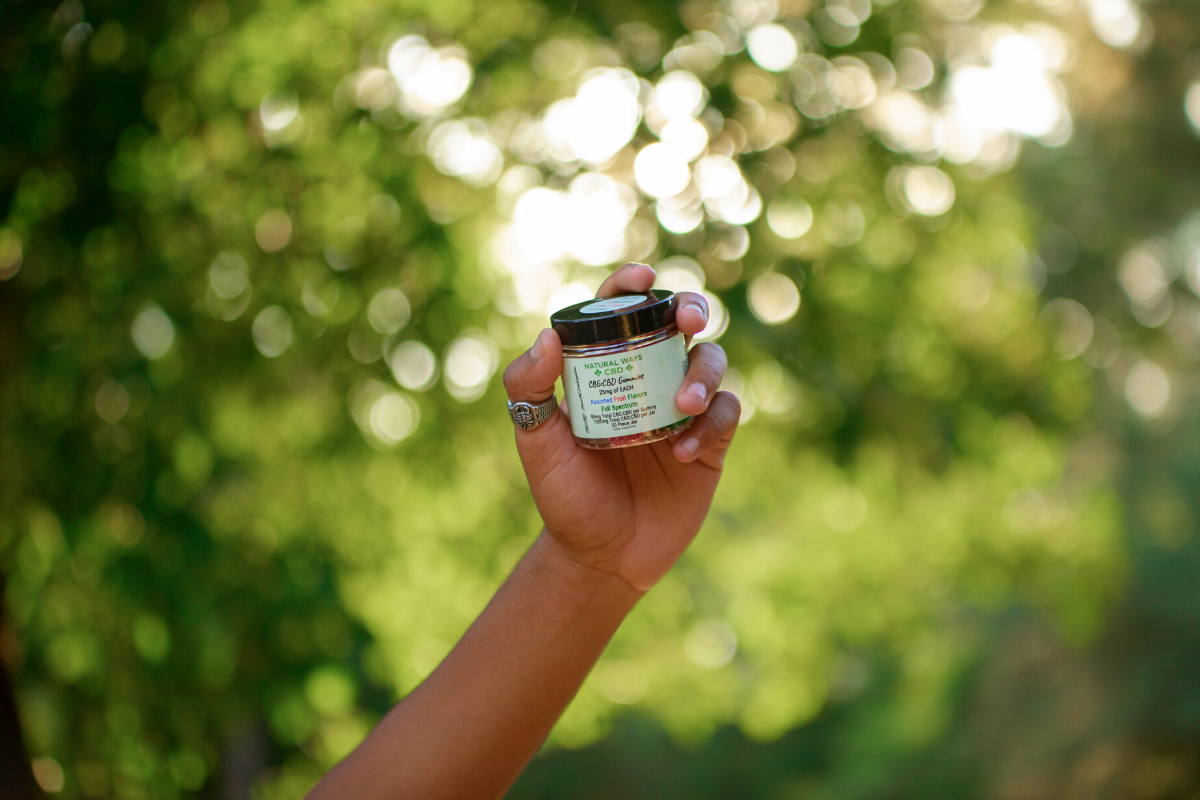
Natural Ways CBD and CBG gummies

Can You Switch from Xanax to CBD?

Many people have successfully replaced Xanax with CBD. Some users have been able to make a full transition, while others report that CBD helped them reduce the amount of Xanax they were taking to an amount that doesn’t put them at risk for addiction or dependency.

If you’re going to stop using Xanax and begin using CBD, it’s important to speak to your doctor first. You shouldn’t quit Xanax “cold-turkey”; rather, you’ll have to slowly wean yourself off of it. 

CBD is not a one-to-one replacement for Xanax, as its effects are different, and it likely won’t be of much use during your withdrawal period. However, CBD may provide the long-term support necessary to live a good-quality life without needing to turn to prescription medicines like Xanax – or without having to worry about developing an addiction. 

Can You Take CBD and Xanax Together?

Using CBD may help you reduce the amount of Xanax you need. However, the two substances should not be taken together.

Taking CBD with Xanax can increase side effects such as tiredness, dizziness, confusion, and difficulty concentrating. Some people, especially elderly people, may also experience decreases in motor coordination, thinking, and judgment. 

To avoid these side effects, ensure that you take CBD and Xanax at least 3-4 hours apart. However, we always recommend asking your doctor before taking CBD and Xanax together. 

Conclusion: Is CBD a Viable Replacement for Xanax?

Although Xanax is more proven than CBD for treating anxiety, it has a slew of harsh side effects that mean it may not be the best option for long-term use. CBD, on the other hand, has weaker effects but may still render therapeutic potential for anxiety without the risk of addiction. This has made CBD gummies for anxiety an increasingly popular natural supplement. 

After talking with your doctor, you may decide that CBD is a viable replacement, and can do the same things without a fraction of the downsides. 

Ready to get started with CBD? Check out our CBD dosage guide, calculator, and chart. 

When you’re ready, browse our third-party tested CBD products made from American-grown hemp.

RELATED: CBD vs. Zoloft for Anxiety

RELATED: CBD vs. Ativan for Anxiety

CBD products you can trust.

You deserve better. That's why we only carry high-strength, American-made CBD products that have been 3rd-party lab tested.


CBD vs. Xanax: Frequently Asked Questions

Here are some questions customers frequently ask us about CBD and Xanax. 

How long after taking CBD can you take Xanax?

Although you should speak to your doctor first before using CBD and Xanax together, the general advice is to wait at least 3 hours after you take CBD to take Xanax. 

Is there a CBD like Xanax?

No type of CBD will closely resemble the effects of Xanax. However, anecdotal evidence suggests that full-spectrum CBD, which contains trace amounts of cannabinoids like THC, CBG, CBN, and CBC, is the most effective for anxiety. 

Does CBD help with anxiety while high?

Taking CBD may reduce the potential side effects of paranoia and anxiety that THC can cause. This is a result of the entourage effect, which is an idea that says cannabinoids work best when used together.

Is CBD or Xanax better for Anxiety?

Xanax is generally more effective for severe or sudden anxiety because it’s a prescription medication. CBD is much milder and is typically used to promote relaxation for everyday stress or mild anxiety.

Is CBD or Xanax better for sleep?

Xanax can make you drowsy, but isn’t meant for sleep. CBD won’t knock you out, but some people find it helps them relax before bed.

How much CBD does it take to calm anxiety?

There’s no single amount that works for everyone, but most people start with a low dose and increase slowly until they notice a calming effect.

What is the closest to Xanax over the counter?

There isn’t an over-the-counter option that works like Xanax. CBD may help take the edge off, but it’s far less potent.

Is CBD better than medication for anxiety?

CBD is not better than prescription medication for severe anxiety, but some people prefer it for mild anxiety because it’s gentler and non-prescription.

What is stronger than Xanax for anxiety?

Few medications are stronger than Xanax for short-term anxiety, and any alternatives require a prescription and medical supervision.


THC vs. CBD Topicals: Benefits & How to Choose

THC vs. CBD Topicals: Benefits & How to Choose

In edible form, THC and CBD are very different. One gets you high, the other doesn’t — and that’s just the tip of the iceberg.

But what about in topical form? Is there a significant difference between the benefits that topical THC and CBD products have to offer? And if so, which should you use?

Here’s what you need to know.

KEY TAKEAWAYS:

  • Research suggests THC topicals are more effective at addressing pain, while CBD topicals are more effective at promoting a healthy inflammatory response in certain areas of the body.
  • Research suggests THC topicals may be beneficial for neuropathic pain and inflammatory skin conditions.
  • Scientific and anecdotal evidence suggests that CBD topicals may have benefits for those dealing with arthritis and tendonitis.
  • CBD topicals are not a medical treatment for any chronic condition or disease, rather, they are designed to promote comfort and quality of life while professional treatment is being sought.

What Are THC and CBD Topicals?

A topical, or transdermal, product is one that is applied topically, or directly to the skin. Examples of CBD and THC topicals include creams, salves, and roll-ons.

By contrast, oral CBD and THC products (i.e. edibles) are taken by mouth and either swallowed and digested or absorbed into the blood vessels under the mouth.

Topicals allow you to deliver the benefits of THC and CBD in a potent, targeted manner to external areas of your body, like muscles and joints, while avoiding the side effects. When you take cannabinoids orally, some portion of it is lost as your body processes and uses it.

Topicals allow you to bypass these functions and be able to use more of the cannabinoid(s) from your product if all you’re using it for is something external.

The downside of topicals is that they can’t act internally — on the mind, or on internal bodily processes — because the cannabinoids in them don’t enter the bloodstream. But for external use (i.e. for joint pain or post-workout recovery), topicals are a superior CBD delivery method.

Let’s explore the different kinds of hemp topicals and discover the benefits that each has to offer.

Common CBD and THC Topical Blends

The cannabinoids/cannabinoid combinations used most frequently in topicals include:

  • Full-spectrum CBD topicals contain Cannabidiol (CBD), as well as small amounts of secondary cannabinoids, including CBG, CBN, CBC, and THC (these cannabinoids are all part of full-spectrum CBD).
  • Broad-spectrum CBD topicals contain the same cannabinoids that full-spectrum topicals do but without THC.
  • Isolate CBD topicals contain just CBD, with no other cannabinoids.
  • THC topicals contain tetrahydrocannabinol (THC).
  • THC + CBD topicals contain a mix of THC and CBD in various ratios, with the most common being a 1:1 ratio.
  • CBD + CBG topicals contain a mix of CBD and Cannabigerol (CBG), a third cannabinoid commonly used along with CBD and CBG.

Benefits of THC Topicals

Topical THC products let you experience the deeply relaxing benefits of THC, a very powerful cannabinoid, without the psychoactive effects — ideal if you don’t like the feeling of being high or need to avoid having THC in your system for a drug test.

Research on people with chemotherapy-induced peripheral neuropathy suggests that topical THC may be beneficial for addressing chronic pain.

Additionally, studies show that THC topicals may be beneficial for inflammatory skin conditions, such as dermatitis.

And since the THC in topicals can render transdermal relief without getting into the bloodstream, it won’t show up on a drug screening.

Benefits of CBD Topicals

Though there are three types of CBD topicals (full-spectrum, broad-spectrum, and isolate), the most common is full-spectrum CBD, so we’ll focus on its benefits.

Research shows that topical CBD may be beneficial for arthritis pain, and CBD may also help with tendonitis.

Anecdotally, our customers find things CBD topicals are useful for include pain, inflammation, mobility, and post-workout recovery.

The American Academy of Dermatology also states that CBD topicals may have the potential to help with acne, psoriasis, and eczema by reducing skin inflammation.

Benefits of CBD + THC Topicals

Topicals containing both CBD and THC provide the best of both worlds: the benefits that THC has for pain, and the ability of CBD to promote a healthy inflammatory response.

Studies haven’t been done on whether a CBD + THC topical is better than one containing a single cannabinoid by itself.

However, scientists and hemp users generally agree that using a greater variety of cannabinoids at the same time renders outsized benefits.

This is due to the entourage effect — the idea that using many cannabinoids at the same time renders a greater total benefit than if you added up the benefits of using each cannabinoid in isolation.

Benefits of CBD + CBG Topicals

CBD + CBG topicals also leverage the entourage effect, but in a different way.

Anecdotally, a CBD + CBG combo renders more benefits for pain than just CBD or CBG on its own. CBG is a cannabinoid widely known for its soothing effects, and its benefits work similarly in topical form as if you took a CBG gummy.s work similarly in topical form as if you took a CBG gummy.

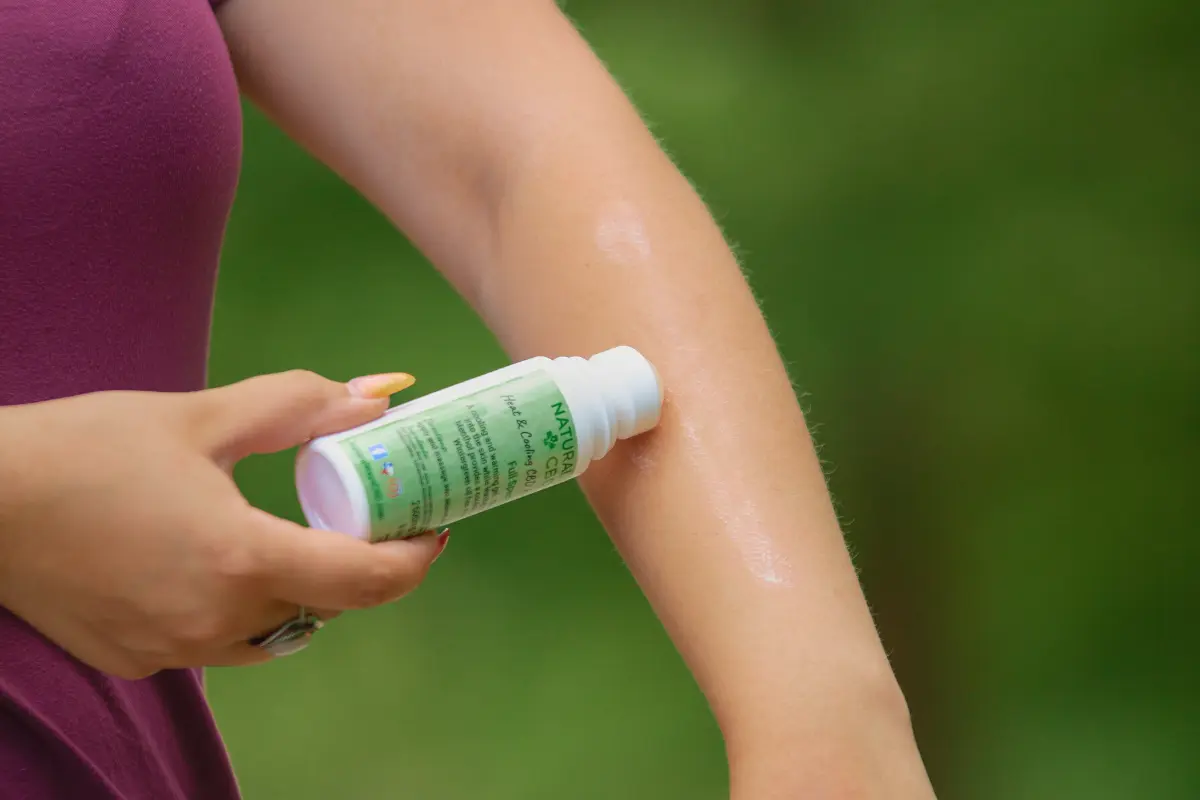
Young woman applying Natural Ways CBD heat and cooling CBD roll on topical to arm

Potential Side Effects and Safety Considerations

THC and CBD topicals are generally well-tolerated when used as directed. 

Because cannabinoids in topical products primarily interact with receptors in the skin, they do not enter the bloodstream in meaningful amounts and do not produce intoxicating effects. 

Some people may experience mild skin irritation, redness, or sensitivity, especially when trying a new product or applying it to sensitive areas. 

To reduce the risk of irritation, it’s best to start with a small amount and perform a patch test before broader use. 

THC and CBD topicals are intended for external use only and are designed to support comfort, not replace professional medical care.

How to Choose the Right THC or CBD Topical

When choosing a topical, a few factors have the biggest impact on how effective it feels:

  • Cannabinoid potency: Higher cannabinoid content generally provides more noticeable support, especially for targeted areas like joints and muscles.
  • Cannabinoid blend: Full-spectrum or multi-cannabinoid formulas are often preferred over isolate-only options because they include additional cannabinoids that work together.
  • Absorption support: Ingredients that promote transdermal absorption help cannabinoids interact with the skin more effectively instead of sitting on the surface.
  • Application format: Creams, salves, sticks, and roll-ons absorb differently and offer varying levels of convenience depending on where and how often you apply them.
  • Supporting ingredients: Botanical oils and plant-based ingredients are often included to complement cannabinoid-based topical formulas.

THC vs. CBD Topicals: Which Should You Choose?

Scientists haven’t weighed in on whether topical hemp is more effective in a CBD or THC form, so it’s hard to judge which is generally better.

However, anecdotally, many people prefer THC for pain and CBD for inflammation. Research suggests THC is better for managing the outcome of inflammation (pain), while CBD is better for managing the inflammatory response itself.

If you can’t decide whether you need to go after pain or inflammation specifically, consider trying a topical containing THC and CBD together – or one with CBD and CBG together.

If you’re looking to promote general skin health, CBG for skin health is always a reliable option. Not to mention its useful compatibility with CBD and THC in certain cases.

In the end, finding the perfect topical product is a matter of experimentation. If you’re already using oral hemp products and are switching to topicals, consider using the same blend – it will work very similarly, except it won’t act from within your body.

Find Targeted Relaxation With Topicals from Natural Ways CBD

Whether you’re looking for the best CBD cream for targeted post-workout recovery, the best CBD massage oil for functional fun, or the best CBD for knee pain, Natural Ways CBD has a topical for you.

Here are a few of our options:

Canna Cream

Our Canna Cream is a full-spectrum CBD cream that’s great for soreness, muscle and joint support, and mobility. This CBD cream delivers the full healing experience:

  • Soothing properties of hemp-derived full-spectrum CBD
  • Anti-inflammatory properties of lidocaine
  • Anti-pain, anti-swelling properties of arnica

It’s also made with medical-grade DMSO – a human-safe solvent that allows for optimal absorption into the skin. No need to worry about potency, either, because each 2 oz. pump contains 2000mg of CBD.

Shop Canna Cream

Ultimate Salve Stick

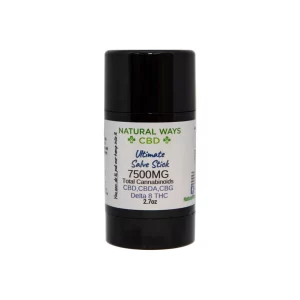
Our Ultimate CBD Salve Stick features a powerful combination of CBD, CBDA, CBG, and delta-8 THC that promotes mobility and comfort.

Unlike many salve products, this salve stick can be applied directly to the body — you won’t need to get your hands messy, and it absorbs quickly into the skin.

With 7500mg of total cannabinoids, the Ultimate Salve Stick is sure to give you the topical relaxation you need.

Shop CBD Salve Stick

CBD + CBG Salve

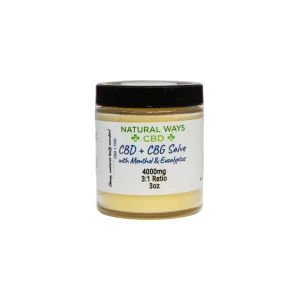
This soothing salve leveraged the CBD and CBG combo in a 3:1 ratio so you can enjoy relaxed muscles and joints while keeping your inflammatory response healthy and balanced.

It also contains arnica oil, almond oil, coconut oil, and shea butter. It’s not just great for relaxation; it’s highly effective for maintaining healthy skin.

This salve is thick in the jar but melts and absorbs quickly into the skin — it’s easy to apply, but won’t be gloppy.

And each jar contains 4000mg of cannabinoids — 3000mg of CBD and 1000mg of CBG — a powerful way to soothe your skin.

Shop CBD + CBG salve

THC vs. CBD Topicals: FAQs

Here are some questions we frequently get asked about choosing between THC and CBD topicals:

Does THC topical work better than CBD?

THC topicals work better than CBD topicals for pain management, however, CBD topicals are more effective for managing the inflammatory response. Neither THC nor CBD topicals are necessarily better — it all comes down to your needs.

Is THC or CBD better for topical pain relief?

Generally, THC is more effective than CBD for pain when used topically. However, full-spectrum CBD topicals, which contain THC, can be beneficial for this as well.

Does topical CBD + THC work?

Topicals containing both CBD and THC may have benefits for physical discomfort.

Do CBD and THC cream work for pain?

Research suggests that yes, CBD and THC topical cream may be beneficial for addressing pain. THC and CBD may be beneficial in either a 1:1 formulation or in the form of full-spectrum CBD, which contains THC.

Latvia Is 9th European Country to Ban Flavored Vapes

On Jan. 1, Latvia became the ninth European country to ban flavored vapes. The new law also limits nicotine content in nicotine pouches to 4 mg/g, and prohibits vapes and other nicotine products that resemble candy or toys.

Latvia’s Tobacco Products Act was amended a year ago to ban vape flavors other than tobacco and restrict vape product sales to people 20 and older. A ban on mint and menthol flavors took effect in August 2024.

The flavor ban applies to both in-person and online sales, including sales from vendors outside the country. The law also limits the number of legal flavorings in tobacco-flavored e-liquids to 16 specific flavoring components, similar to the rule adopted in The Netherlands.

The amended law increases penalties for selling prohibited products and for sales to people under age 20. According to news site Baltija, fines range from €280-700 for individuals, and from €700-7,100 for businesses

Some Latvian vape retailers intend to circumvent the law by selling unflavored nicotine and pre-mixed flavorings separately, according to Latvian Television. Such products, usually called shortfills, are used in other EU countries (and the United Kingdom) to bypass the 10 mL bottle-size limit.

A lawsuit challenging the flavor ban on constitutional grounds has been filed by Latvian manufacturer Pro Vape in the country’s Constitutional Court, but the law will remain in effect while the case is decided. According to Russian news site TVNET, a hearing is scheduled for May 13, and the court is likely to decide the case this summer.

Latvia is the eighth European Union member state to prohibit vape flavors, following Denmark, Estonia, Finland, Hungary, Lithuania, the Netherlands, and Slovenia. Spain is in the process of completing a flavor ban. Ukraine, which is not an EU member, also prohibits flavored vapes. No European country has an outright vape ban.

Latvia has the third-highest percentage of daily cigarette smokers in the EU, according to Latvian Public Media. The site reports that 22.1 percent of Latvian adults smoke daily, behind only Bulgaria and Greece.

Latvia is a high-income country with about 1.9 million residents. It lies east of the Baltic Sea, between Lithuania and Estonia, and borders Russia and Belarus to its east.


Jim McDonald


Smokers created vaping without help from the tobacco industry or anti-smoking crusaders, and I believe vapers have the right to continue innovating to help themselves. My goal is to provide clear, honest information about the challenges vaping faces from lawmakers, regulators, and brokers of disinformation. I’m a member of the CASAA board, but my opinions aren’t necessarily CASAA’s, and vice versa. You can find me on Twitter @whycherrywhy


Vape Market in 2025: Emerging Trends and Predictions Shaping the Industry

The vape industry has reached a critical juncture, with intense competition driving significant changes in the market landscape. As we approach 2025, observations from the first half of 2024 provide valuable insights into the direction of vape development. This article explores the anticipated trends for 2025, offering a comprehensive analysis of how the market is expected to evolve.

Major Brands Diversify E-cigarette Product Lines
As the vape market matures, major brands like Geek Vape and Lost Vape are expanding their product lines beyond their traditional categories. These companies are diversifying their offerings to capture a larger market share and mitigate risks posed by the global economic downturn.

Geek Vape, known for its expertise in pod systems, actively explores new product categories, while Lost Vape made a bold move in 2023 by launching the Orion Bar, a series of disposable vapes that quickly gained popularity. Elf Bar, a leader in the disposable vape market, has also ventured into the refillable pod system segment with the introduction of ELFX PRO and ELFX.

Market Consolidation and Supply Chain Integration Shape the Industry
Leading vape brands are increasingly seeking to control the entire supply chain, from device manufacturing to e-liquid production. This vertical integration strategy aims to create a more seamless and appealing product ecosystem for consumers.

Vaporesso made a notable entry into the e-liquid market in early 2024 with the launch of its “Deliciu Juice” brand. Elf Bar followed suit by introducing its e-liquid brand, “ELF LIQ,” in the UK, and Elux leveraged its strong distribution channels to make inroads into the e-liquid market. By offering both devices and e-liquids, these companies provide a more integrated experience, with hardware and consumables designed to work in harmony.

Smart Vapes Gain Momentum
The development of smart vapes surged in 2024, and this trend is expected to gain even more momentum in 2025. These devices are becoming increasingly sophisticated, incorporating features once reserved for smartphones. Larger displays, enhanced functionality, and innovative features such as cameras, Bluetooth connectivity, GPS, communication capabilities, and even puff animations are becoming standard in many new e-cigarette models.

Manufacturers aim to differentiate their products in a crowded market and appeal to tech-savvy users by incorporating smart features. However, they must strike a balance between innovation and user-friendliness, offering practical, user-centered features that enhance the vaping experience without overwhelming consumers with unnecessary complexity.

 
Also Read:
Swype 30K vs. Feed Sync 30K vs. Craftbox V-Touch 30K: Which is the Best
Environmental Responsibility and Sustainability Take Center Stage
The vape industry is increasingly embracing environmental responsibility and sustainability, a trend that is expected to shape the market throughout 2025. As global awareness of environmental issues continues to rise, consumers are becoming more conscious of the ecological impact of the products they use.

In 2024, a new disposable vape brand gained significant attention for its commitment to environmental sustainability, claiming that 98% of its components are made from eco-friendly materials. This trend reflects a broader shift in consumer preferences, as more people seek out products that align with their environmental values.

 
Also Read:
The Overlooked Environmental Impact of Disposable Vaping
Key Trends to Watch in 2025
As the vape industry continues to evolve, several key trends are expected to shape the market in 2025:

Sustainability: The push for environmentally friendly products will continue to gain momentum, with a particular focus on sustainable materials and practices.
Vertical Integration: The trend towards market consolidation and supply chain integration will accelerate, with leading brands seeking to control both device manufacturing and e-liquid production.
Smart Features: The rise of smart vapes will continue, with manufacturers incorporating increasingly sophisticated features into their devices.
Localization: As global markets become more saturated, brands and distributors will need to focus on local marketing strategies and channel penetration.
Practical Functionality: In addition to smart features, there will be a greater emphasis on practical functionality, with e-cigarettes that offer useful, user-centered features well-positioned to succeed in the market.
Conclusion
The vape industry is entering a new phase of development as we move into 2025. With competition intensifying and consumer preferences evolving, brands must adapt to the changing landscape to remain relevant. Whether through product diversification, supply chain integration, the adoption of smart technology, or a commitment to sustainability, the key to success in this dynamic market will be the ability to innovate while staying attuned to consumer needs.


Matthew Ma
Follow
Marketing at Ecigator
With over a decade of experience in the e-cigarette industry, Matthew Ma is a seasoned expert in both the manufacturing and usage aspects of vaping products. His extensive background has provided him with a deep understanding of the intricacies and evolving dynamics of e-cigarettes.

Four senators ask for FDA ban of cartridge-based e-cigarettes

Lawmakers say the products should be pulled until they are proven safe.

Banning flavored e-cigarettes would be ineffective and dangerous

Never let a crisis go to waste. That could be the official motto for the anti-tobacco industry, which has irresponsibly exploited this summer’s sudden outbreak of so-called “vaping-related” lung ailments.

Americans say vaping is as dangerous as cigarettes

NEW YORK (Reuters)  Reuters poll - More Americans say vaping is as dangerous as smoking cigarettes:

Cigarettes top 2018 list of EU counterfeit seizures

Customs officers seized 27m intellectual property-infringing items at the EU’s borders last year worth almost €740m – with cigarettes the most-intercepted product.

Vapes vs. Joints:

Vapes vs. Joints: The Battle of the Better


Note: There are different vapes on the market—some use juice, some oils, some use cannabis flower and some use dabs. Make sure you choose the best one for you. Also, your alternative does not have to be a joint — it can be a blunt, spliff, or anything else you prefer!


Is It Safe to Be a Social Smoker?

If you are a social smoker who only smokes occasionally, learn what risks to your health are and whether you could become addicted to nicotine.

Why vaping doesn’t help smokers quit?

A new study shows that smoking electronic cigarettes will not help you quit smoking real cigarettes.

Study: More parents are smoking weed...

Mom and Dad are smoking fewer cigarettes and more weed, the New York Post reports.

Image

Striving for excellence is an important part of professionalism in any job. It involves trying to put quality into everything you do. At Solace Meds Fort Collins we work hard to make you happy!

Ft. Collins Loaction

301 Smokey St Suite A
Fort Collins, CO 80525

(970) 225-6337

Quick Links